A thermally reactive form of natural graphite that expands rapidly when exposed to fire, creating a thick, insulating carbonaceous layer to protect materials from heat and flames.
CarboFlameX® - Halogen-free intumescent flame retardant
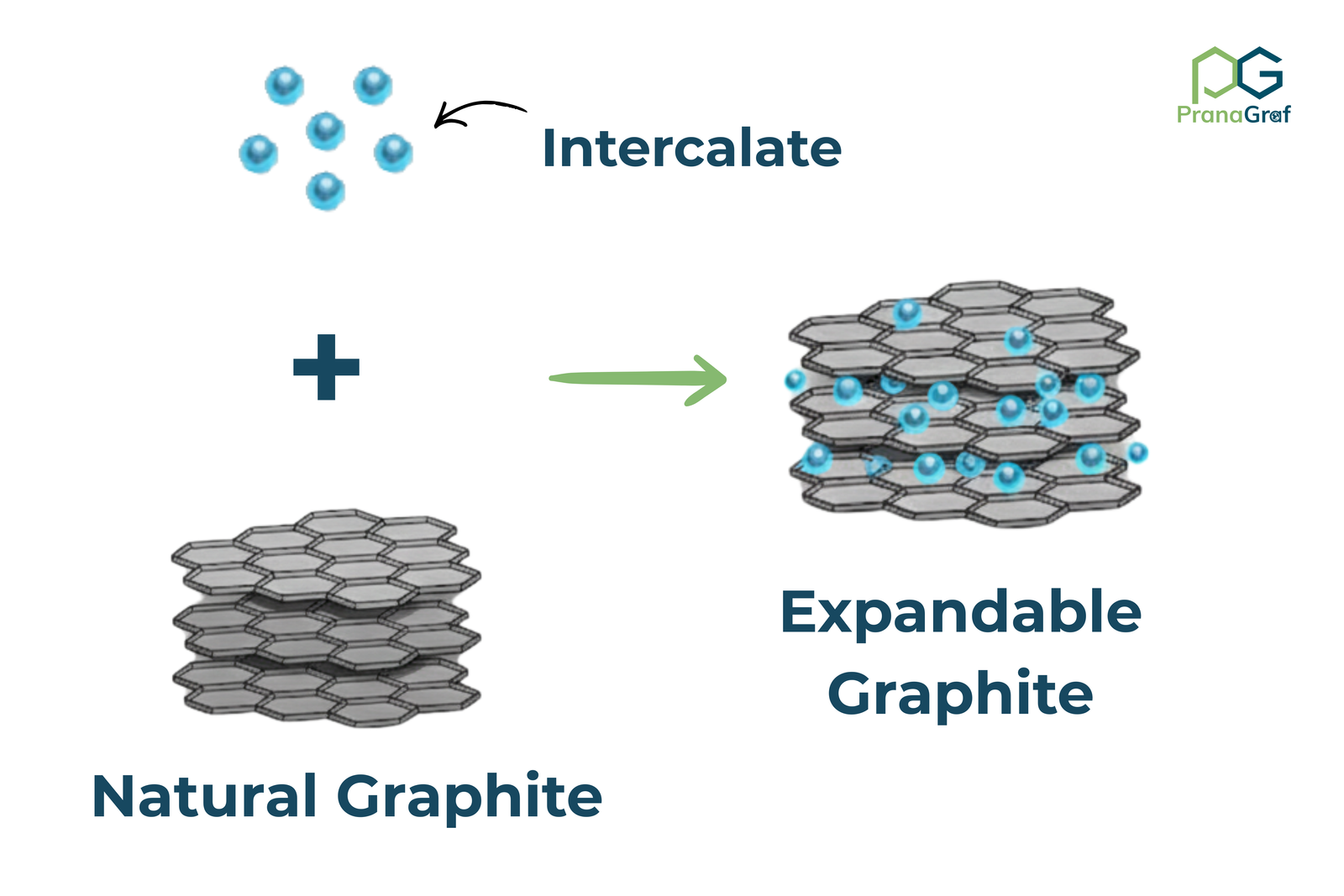
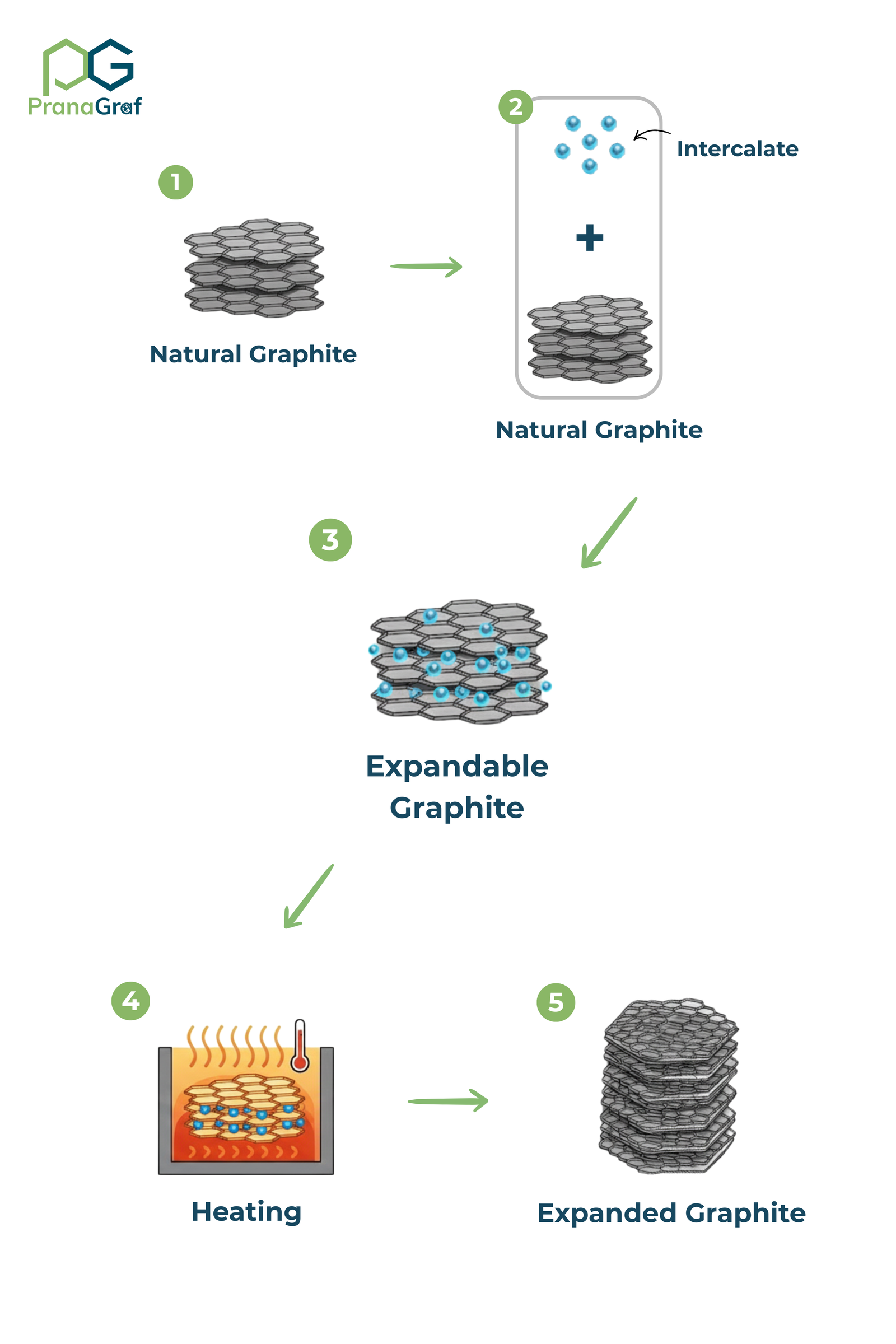
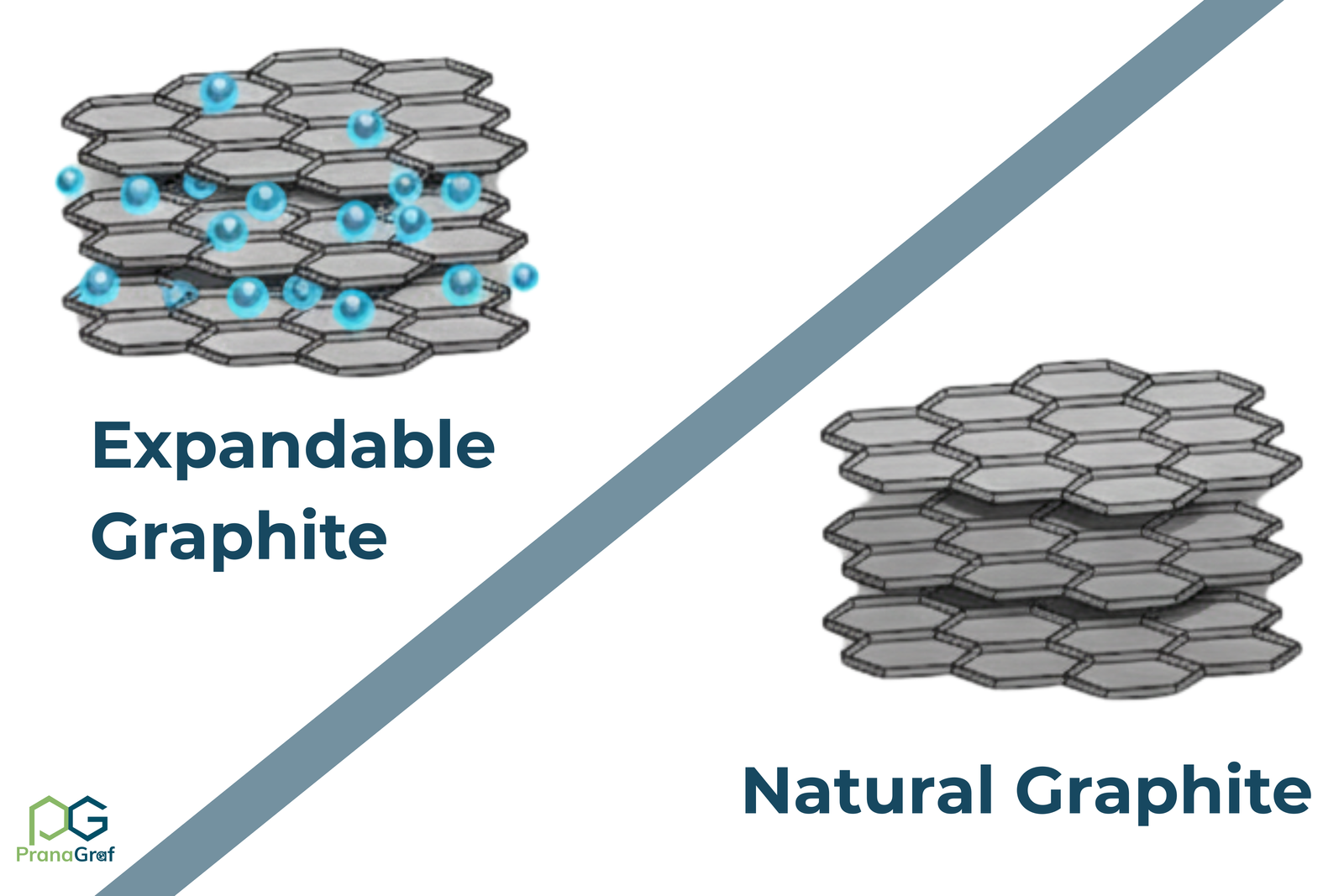
Expandable graphite is produced from natural flake graphite that has been chemically intercalated with specific compounds. These compounds reside between the graphite layers and remain stable under normal conditions. When exposed to sufficient heat, they decompose and release gases, forcing the graphite layers apart and causing rapid volumetric expansion.
This expansion creates a lightweight, worm-like structure that forms an effective thermal and physical barrier, significantly slowing flame propagation and heat transfer.
Diagram: Graphite structure with intercalated compounds
| Parameter | Typical Range |
|---|---|
| Raw material | Natural flake graphite |
| Expansion ratio | 80× – 300× (grade dependent) |
| Expansion temperature | ~180–300 °C |
| Carbon content | ≥ 95% |
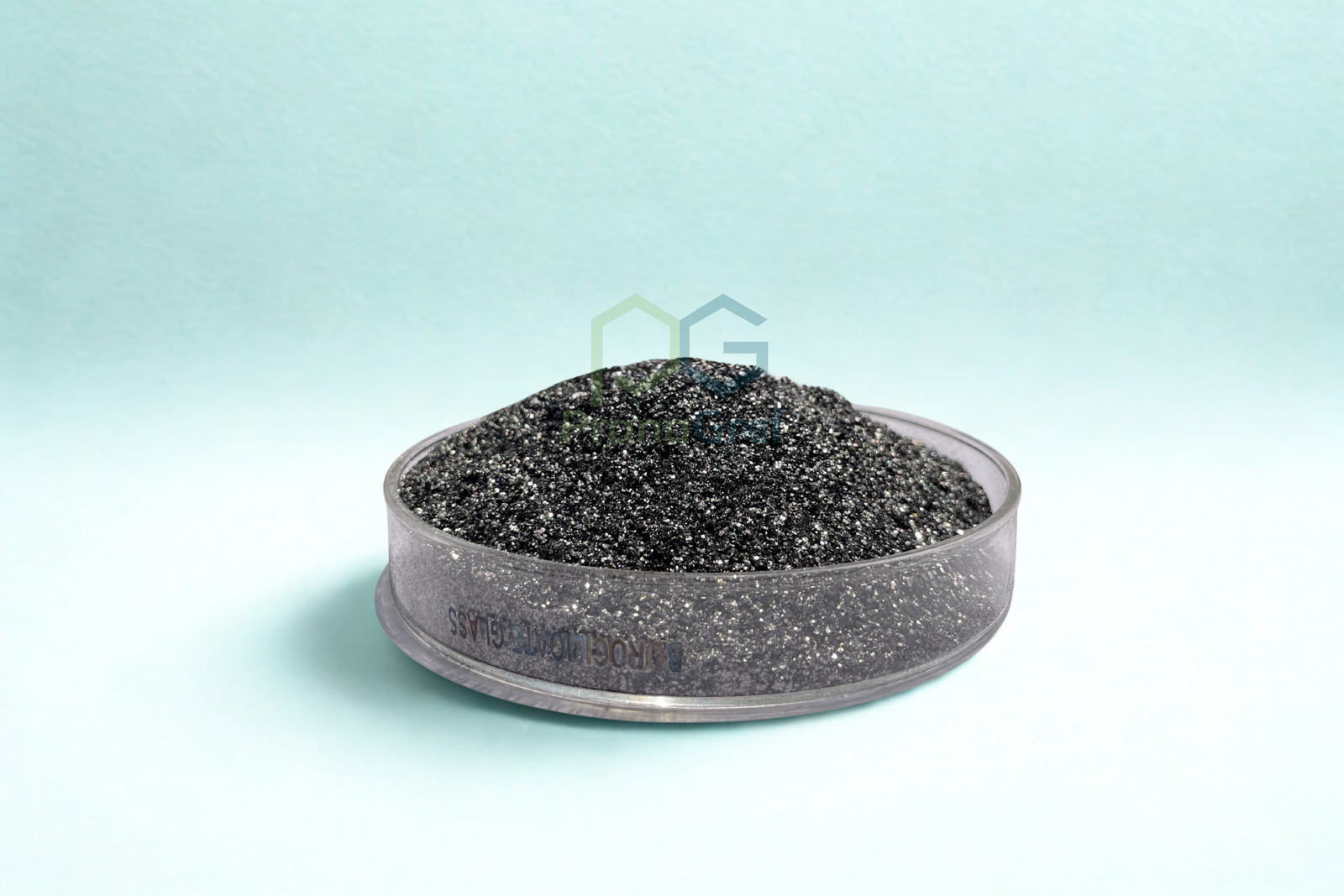
| Physical form | Flakes / powder |
| Flame retardancy | Intumescent, halogen-free |
| Smoke generation | Low |
Expandable graphite functions through intumescence, a heat-activated protective mechanism.
Intercalated compounds decompose when exposed to temperatures between 180-300°C
Released gases force graphite layers to expand up to 300 times original volume
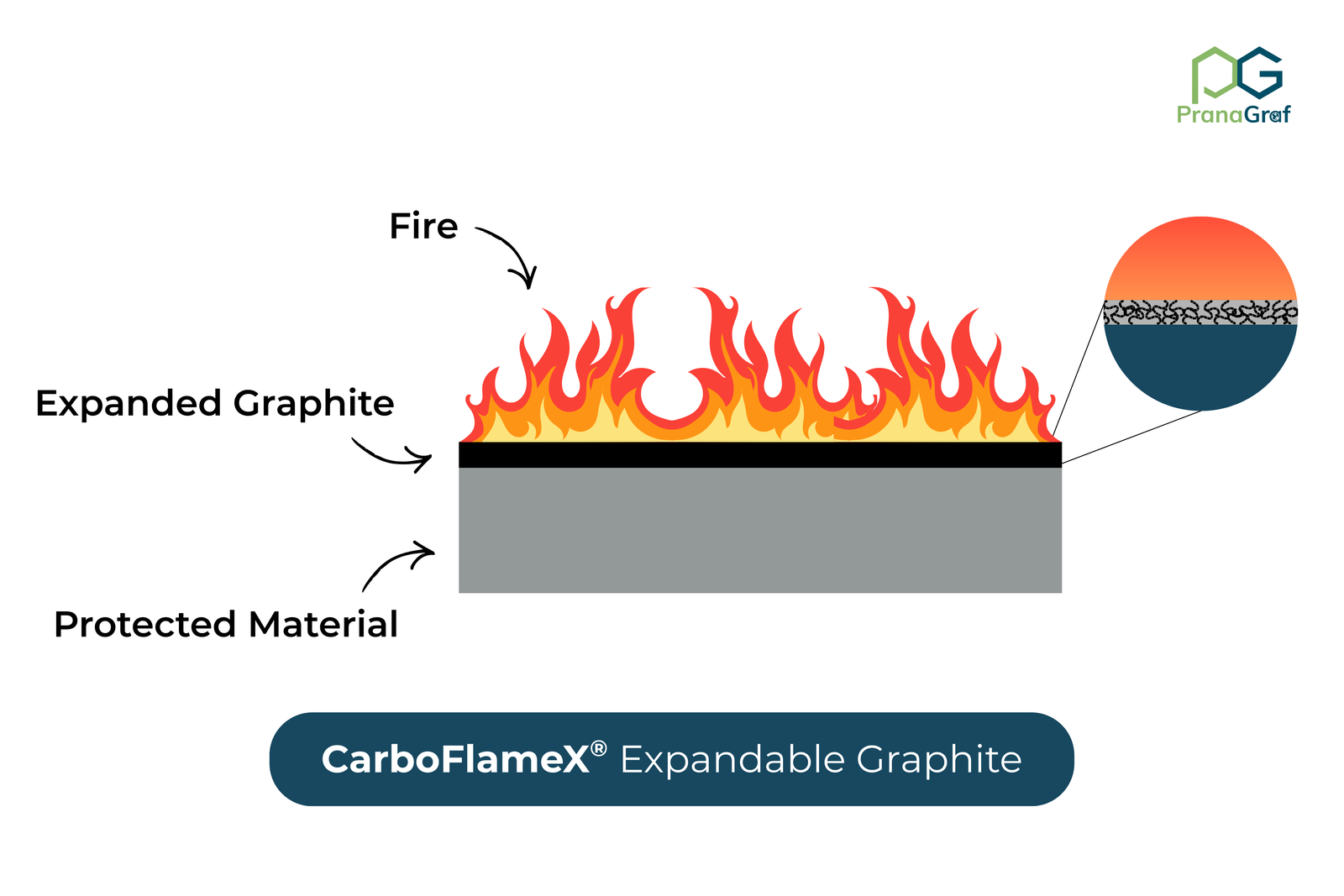
A thick, worm-like carbonaceous structure creates an insulating barrier
The expanded structure protects the substrate from flame and thermal transfer
Process: Intumescent flame retardant mechanism
This expanded structure remains thermally stable even under prolonged fire exposure, making expandable graphite particularly effective in passive fire protection systems.
Cross-section: Char barrier protecting substrate from flame
Expandable graphite combines chemical stability with a highly reactive thermal response.
| Property | Importance | Typical Value |
|---|---|---|
| Expansion volume | Determines fire-barrier effectiveness | 80-300 mL/g |
| Particle size | Influences dispersion and coverage | 50-500 μm |
| Ash content | Indicates material purity | < 5% |
| Thermal stability | Performance under sustained heat | > 600°C |
| Expanded bulk density | Insulation efficiency | 0.005-0.03 g/cm³ |
| Carbon content | Material purity and performance | > 95% |
Expandable graphite grades are typically classified by:
High-expansion grades are commonly used in intumescent coatings and construction materials, while controlled particle sizes are essential for polymer and rubber compounding.
Expandable graphite is used where fire resistance, thermal insulation, and low smoke emission are critical.
Used in structural steel protection, tunnels, offshore platforms, and industrial facilities. Upon fire exposure, expandable graphite forms an insulating carbon layer that delays structural failure.
Used as a halogen-free flame retardant additive in polypropylene, polyethylene, polyurethane foams, epoxy resins, and engineering plastics to meet fire safety standards.
Enhances fire resistance in gaskets, seals, and flexible components while maintaining elasticity and mechanical integrity.
Used in fire-resistant panels, boards, sealants, and insulation systems to improve fire ratings without halogenated additives.
Reduces flame spread, smoke density, and dripping behavior in electrical and communication cables during fire exposure.
Used in passive fire protection systems, fire doors, fire-stops, and industrial equipment requiring enhanced fire resistance.
| Feature | Expandable Graphite | Conventional Graphite |
|---|---|---|
| Heat response | Rapid expansion (80-300×) | Structurally stable |
| Primary function | Active flame retardant | Lubrication, conductivity |
| Fire protection | High (intumescent) | Minimal |
| Smoke generation | Low | Medium (when burning) |
| Environmental impact | Halogen-free, low toxicity | Varies by application |
| Typical use | Fire-safety systems | Mechanical & electrical |
Visual: Key differences between graphite types
Critical evaluation parameters include:
Proper grade selection directly impacts fire-retardant efficiency and processing performance. Consider application-specific requirements such as temperature range, compatibility with base materials, and regulatory compliance.
Expandable graphite is commonly supplied with comprehensive documentation to ensure regulatory compliance and safety.
Material Safety Data Sheets for safe handling
EU Registration, Evaluation, Authorisation of Chemicals
Restriction of Hazardous Substances compliance
ASTM, UL, EN fire resistance performance data
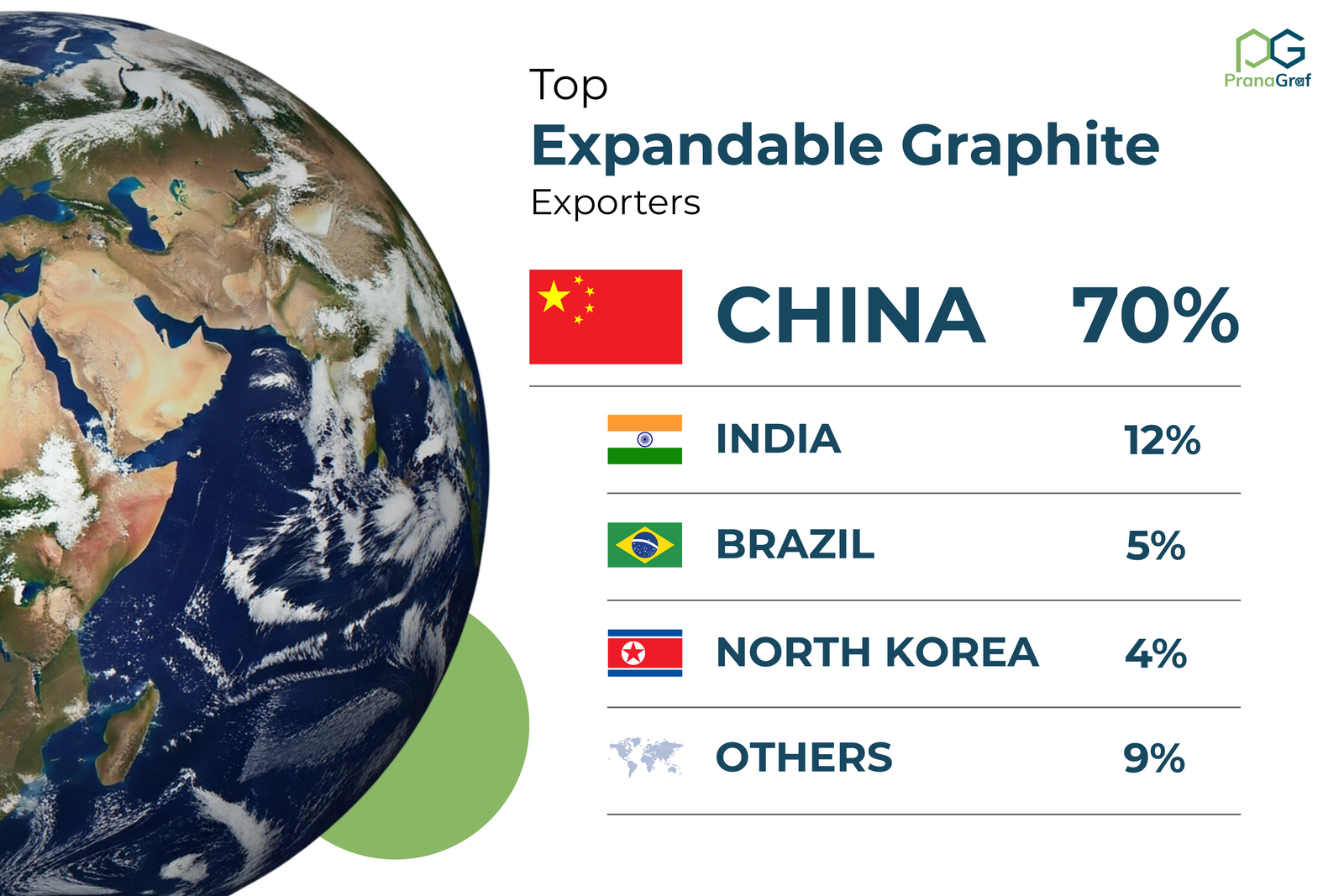
China currently dominates the global graphite and expandable graphite supply chain, accounting for a significant share of natural graphite mining, processing, and expandable graphite production. This concentration has created supply-chain risks related to export controls, environmental regulations, and geopolitical factors.
As a result, global industries are actively seeking reliable ex-China sources of expandable graphite to diversify supply chains, ensure continuity, and meet regulatory requirements.
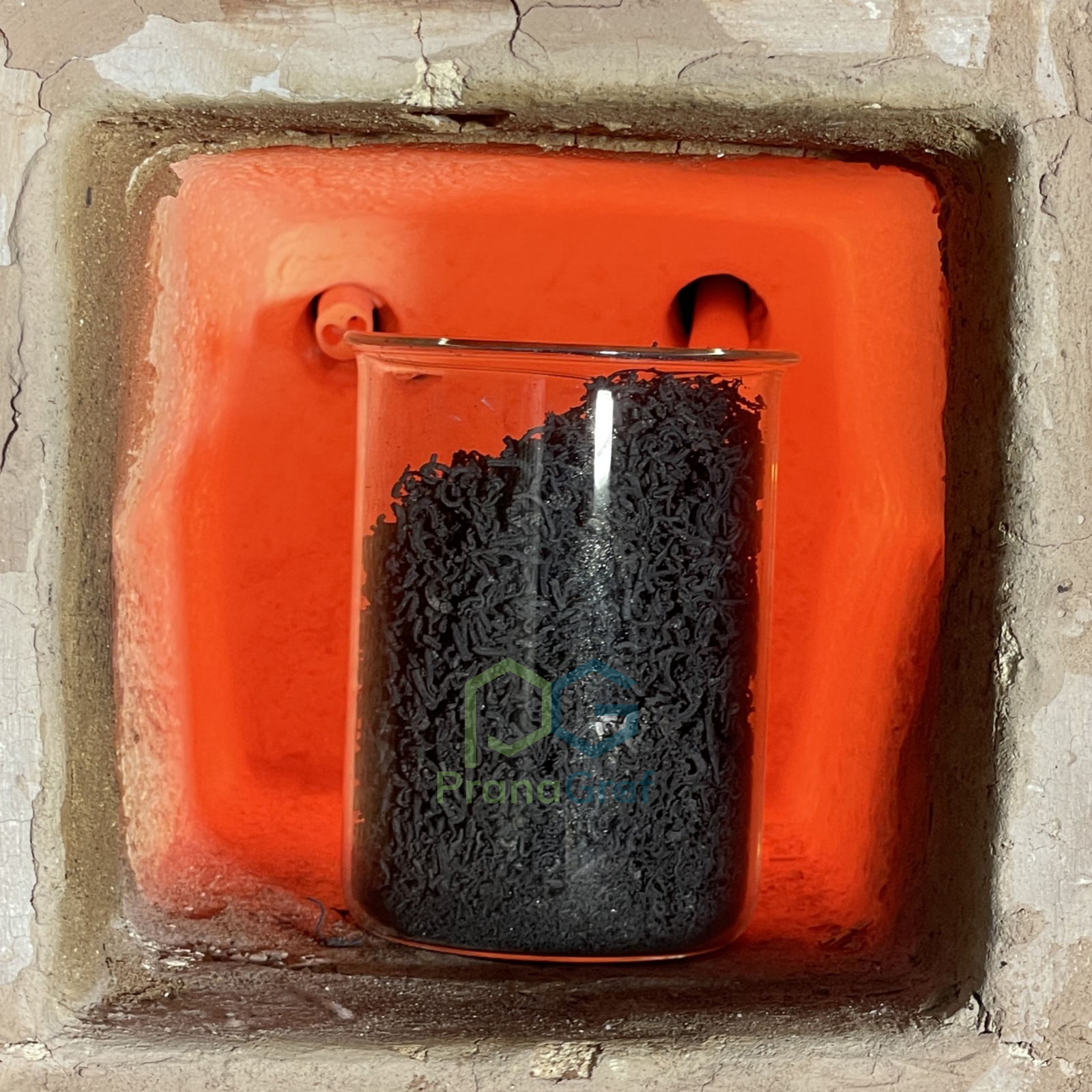
Expandable Graphite Production
Global market: Chinese dominance in graphite supply
Expandable graphite is increasingly recognized as a cost-effective, scalable, and environmentally responsible fire-protection material. Ongoing research focuses on:
It is primarily used as an intumescent flame retardant in coatings, plastics, construction materials, and insulation systems. Its ability to expand when exposed to heat makes it ideal for creating protective char layers that prevent flame spread and heat transfer.
It is produced by chemically intercalating natural flake graphite with specific compounds (typically acids), followed by controlled washing, drying, and sizing processes. The intercalated compounds reside between the graphite layers and decompose when heated, causing expansion.
Most grades expand between approximately 180 °C and 300 °C. The exact expansion temperature can be tailored during manufacturing to match specific application requirements, with some grades designed for lower or higher activation temperatures.
Yes. It is halogen-free, produces low smoke, and is considered more environmentally compatible than many traditional flame retardants. It doesn't release toxic gases during combustion and can be used in applications requiring strict environmental compliance.
No. Expandable graphite is the precursor material that expands when heated. Expanded graphite is the material after it has undergone thermal expansion. Expandable graphite is used as an additive, while expanded graphite is often used in its expanded form for different applications.
With China dominating over 75% of global graphite production, supply chain diversification reduces geopolitical risks, ensures continuity of supply, and provides alternative sources that may better align with regional regulatory requirements and sustainability goals.
Expandable graphite for industrial applications is manufactured and supplied by PranaGraf, a significant ex-China producer and supplier supporting diversified global supply chains. Products are offered under the CarboflameX® brand, developed for consistent expansion behavior, controlled specifications, and fire-retardant performance.
Support includes industrial supply, grade selection guidance, technical documentation, and export-oriented sourcing.
CarboFlameX® Expandable Graphite